Concrete is one of the most widely used construction materials in infrastructure, buildings, bridges, and pavements. However, in regions exposed to cold temperatures, concrete structures often suffer damage due to freeze thaw cycles. Water trapped inside the pores of concrete expands when it freezes, creating internal pressure that leads to cracking, scaling, and long-term structural deterioration.
To improve durability in such conditions, advanced additives such as Nano Silica and Recycled Rubber Powder are gaining attention. These materials help improve the internal structure of concrete, making it more resistant to freeze thaw damage while also supporting sustainable construction practices.
How Recycled Rubber Powder and Nano Silica
Improve Concrete Durability in Cold Climates
Understanding Freeze Thaw Damage in Concrete
Freeze thaw damage occurs when moisture inside concrete freezes and expands. This expansion generates stress within the concrete matrix. When the temperature rises, the ice melts and the process repeat again during the next freezing cycle.
1. Over time, this cycle can cause:
2. Surface scaling and material loss
3. Micro-cracking within the concrete structure
4. Reduced mechanical strength
5. Higher maintenance and repair costs
Improving the pore structure and flexibility of concrete is essential to reduce these effects and extend the lifespan of structures in cold environments.
Role of Recycled Rubber Powder in Concrete
Recycled rubber powder, typically produced from waste tires, can be used as a partial additive in concrete mixtures.
When incorporated into concrete, rubber particles offer several benefits:
1. Increased flexibility and toughness
2. Improved impact resistance
3. Better stress absorption
4. Reduced crack propagation during freeze thaw cycles
Rubber particles act as flexible components within the concrete matrix. During freezing and thawing, they help absorb internal stresses, allowing the material to better tolerate expansion and contraction.
Another advantage is sustainability. Using recycled tire rubber helps reduce environmental waste while improving the performance of construction materials.
Role of Nano Silica in Concrete
Nano silica for concrete is one of the most effective nano-additives used to enhance cement-based materials. Because of its extremely fine particle size and high surface area, nano silica significantly improves the microstructure of concrete.
Key advantages include:
1. Filling microscopic pores within the cement matrix
2. Increasing matrix density and compressive strength
3. Reducing permeability and water penetration
4. Improving bonding between cement particles
By refining the internal structure, nano silica reduces the amount of water that can enter concrete, which directly improves freeze thaw resistance.
Synergy Between Rubber Powder and Nano Silica
When rubber powder and nano silica are used together, they create a complementary effect that improves both durability and mechanical performance.
1.Rubber powder improves flexibility and energy absorption.
2.Nano silica strengthens and densifies the cement matrix.
This combination leads to:
1. Reduced crack formation
2. Improved resistance to freeze thaw cycles
3. Enhanced durability of concrete structures
4. Better long-term performance in harsh climates
The optimized combination provides a balance between strength, toughness, and durability.
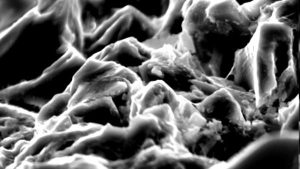
Improved Concrete Microstructure
Concrete modified with nano silica and rubber powder shows significant improvements in its internal structure.
Key microstructural benefits include:
1. Reduced harmful pore sizes
2. Improved air-void distribution
3. Denser cement matrix
4. Lower water absorption
These changes help concrete resist internal stress caused by freezing water, ultimately extending the service life of structures exposed to cold environments.
Applications in Infrastructure and Construction
Concrete enhanced with nano silica additives and recycled rubber powder can be used in many construction applications, especially where durability is critical.
Typical applications include:
1. Roads and highways
2. Bridge decks
3. Airport runways
4. Pavements and parking structures
5. Residential and commercial buildings in cold regions
Improved freeze thaw resistance can significantly reduce maintenance costs and extend infrastructure lifespan.
Sustainability Benefits
One of the major advantages of this approach is its contribution to sustainable construction.
Using recycled rubber powder helps reduce waste tire disposal problems while supporting circular economy practices in the construction industry.
At the same time, nano silica improves the durability of concrete, allowing structures to last longer and reducing the need for frequent repairs or replacements.
Future of High-Performance Concrete Additives
Advanced materials such as nano silica, graphene additives, and recycled material modifiers are shaping the future of concrete technology. These additives enable the development of stronger, more durable, and environmentally responsible construction materials.
As infrastructure demands continue to grow, innovative material solutions will play a key role in improving the performance and sustainability of modern concrete systems.

 Concrete is one of the most widely used construction materials in infrastructure, buildings, bridges, and pavements. However, in regions exposed to cold temperatures, concrete structures often suffer damage due to freeze thaw cycles. Water trapped inside the pores of concrete expands when it freezes, creating internal pressure that leads to cracking, scaling, and long-term structural deterioration.
 When rubber powder and nano silica are used together, they create a complementary effect that improves both durability and mechanical performance.