
Advanced functional raw materials

Home/Advanced functional raw materials

Hydroxyapatite Powder
COSMETITE

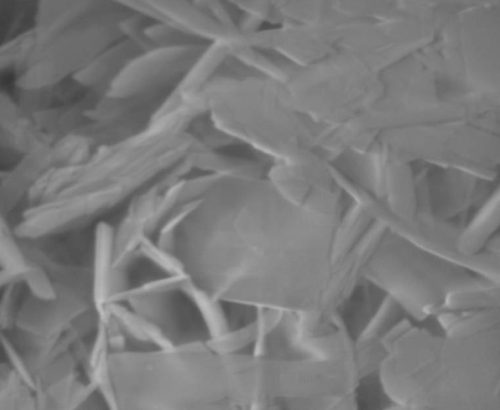
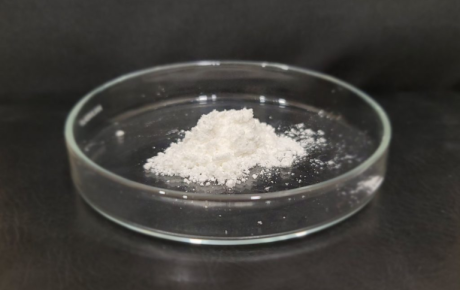
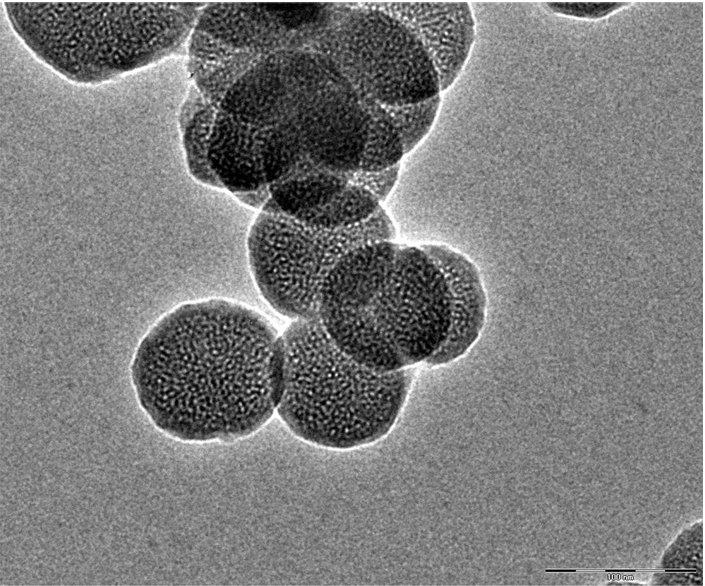
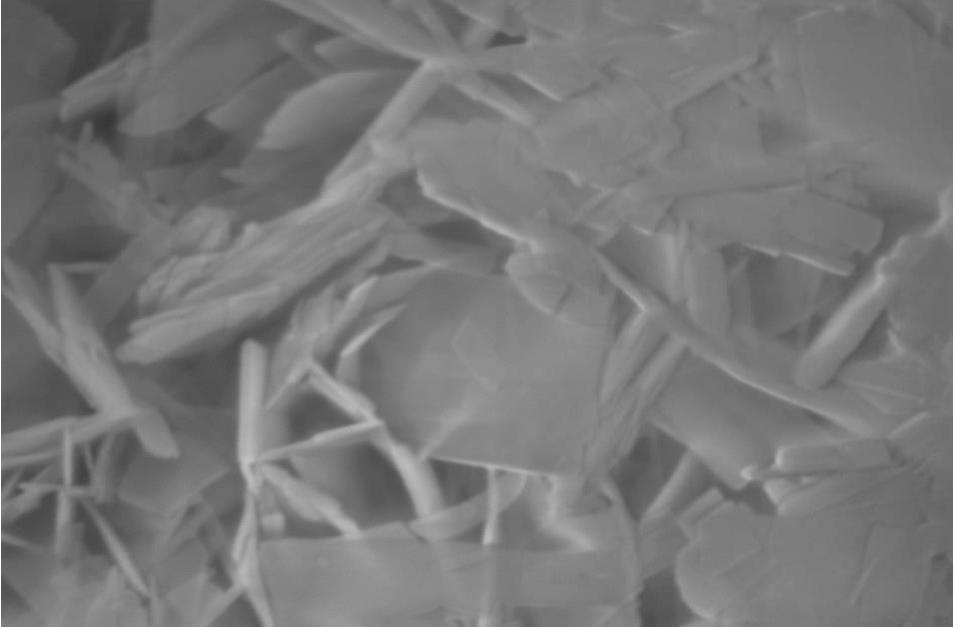
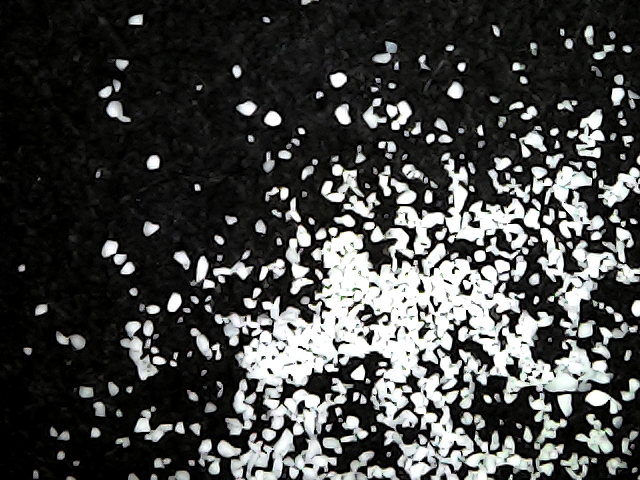
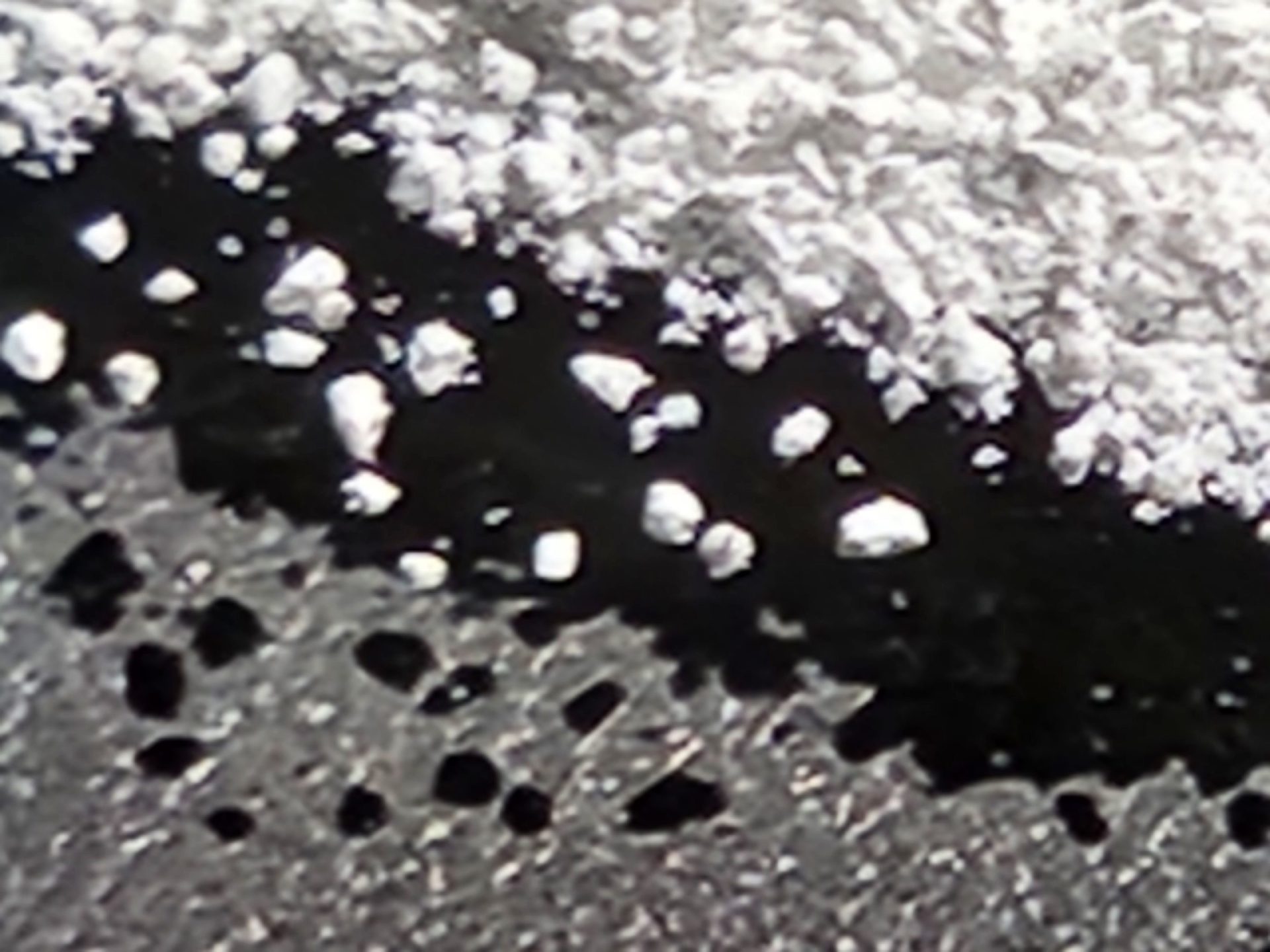
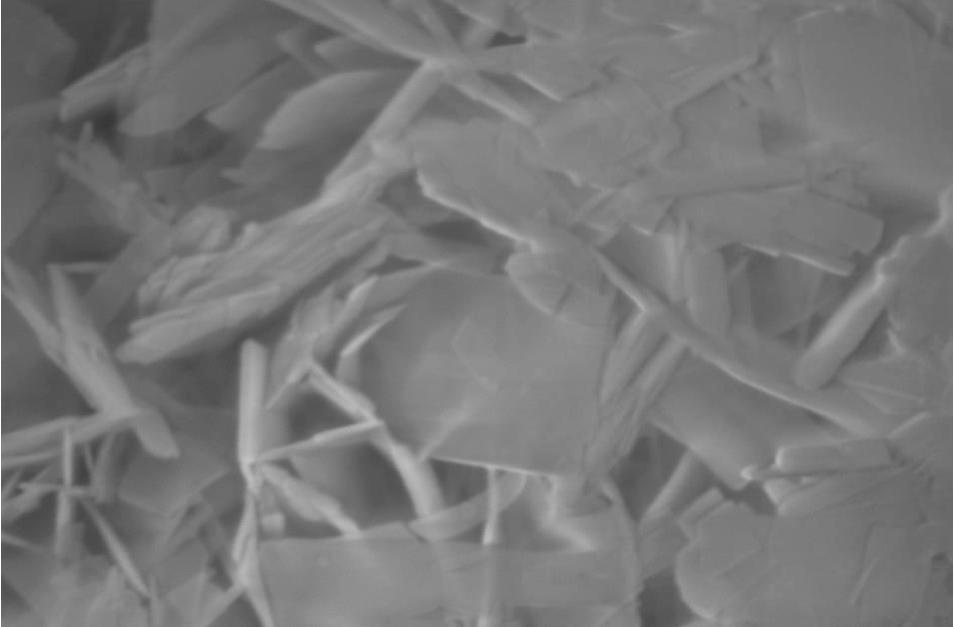
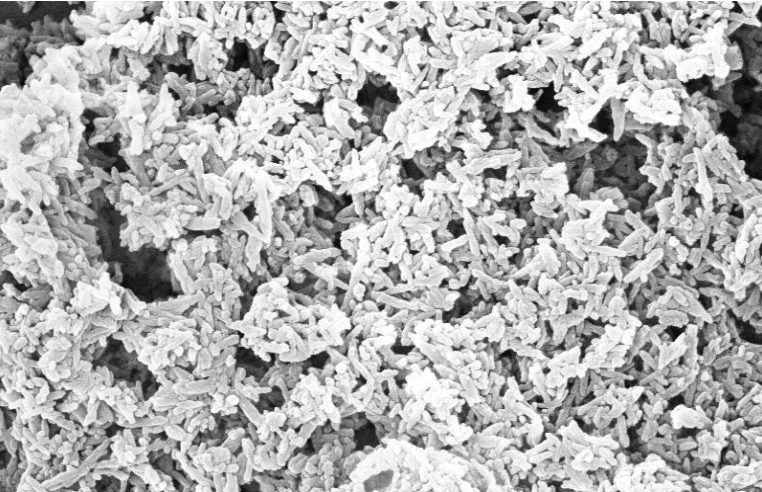
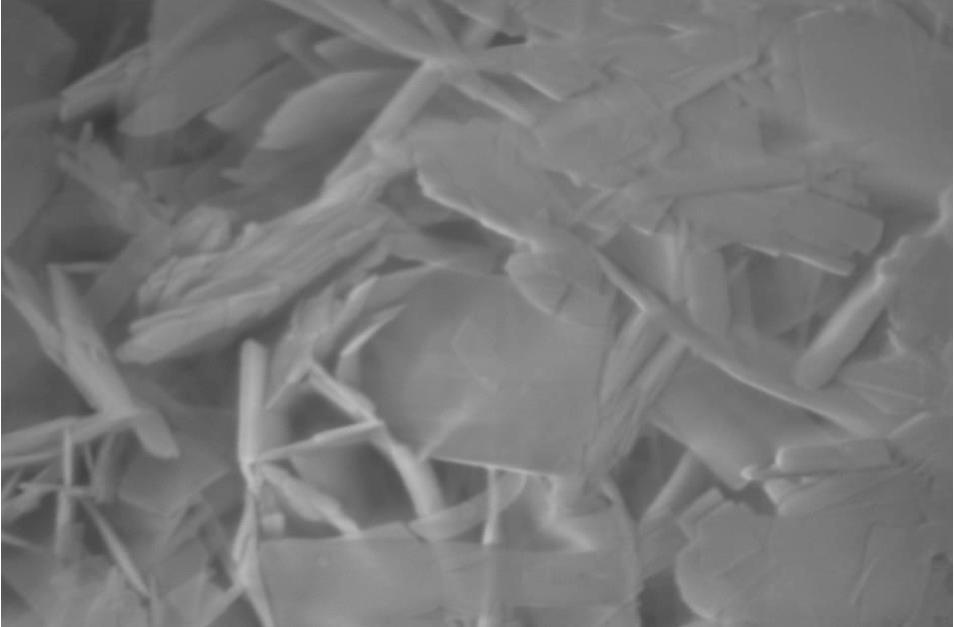
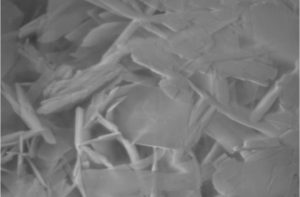
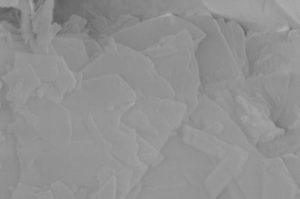
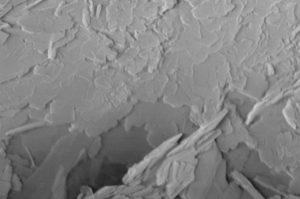
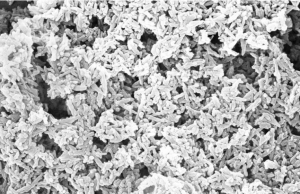
COSMETITE-40 nano hydroxyapatite powder is available in an acicular shape with an average crystallite size of 40 nm. COSMETITE-40 nano hydroxyapatite powder is made from natural mineral sources and is TSE/BSE free.

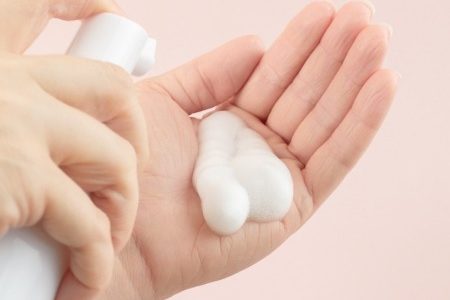
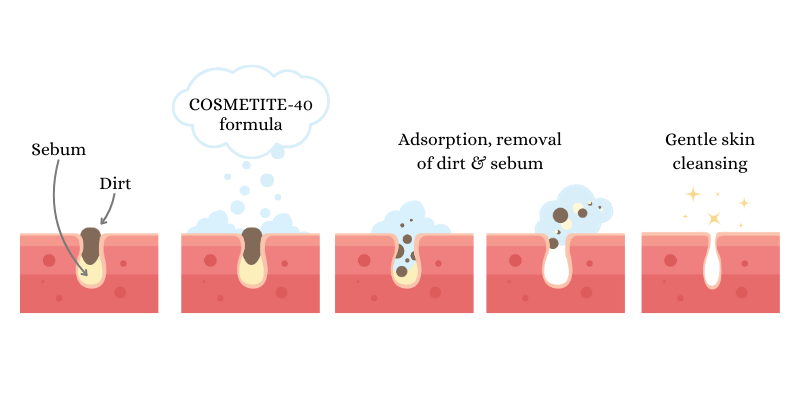
COSMETITE-40 has excellent protein adsorption properties, removes dirt & dead cells of skin, gently, without damaging the skin. This allows making face wash formulations without the use of harsh exfoliating or scrubbing ingredients.

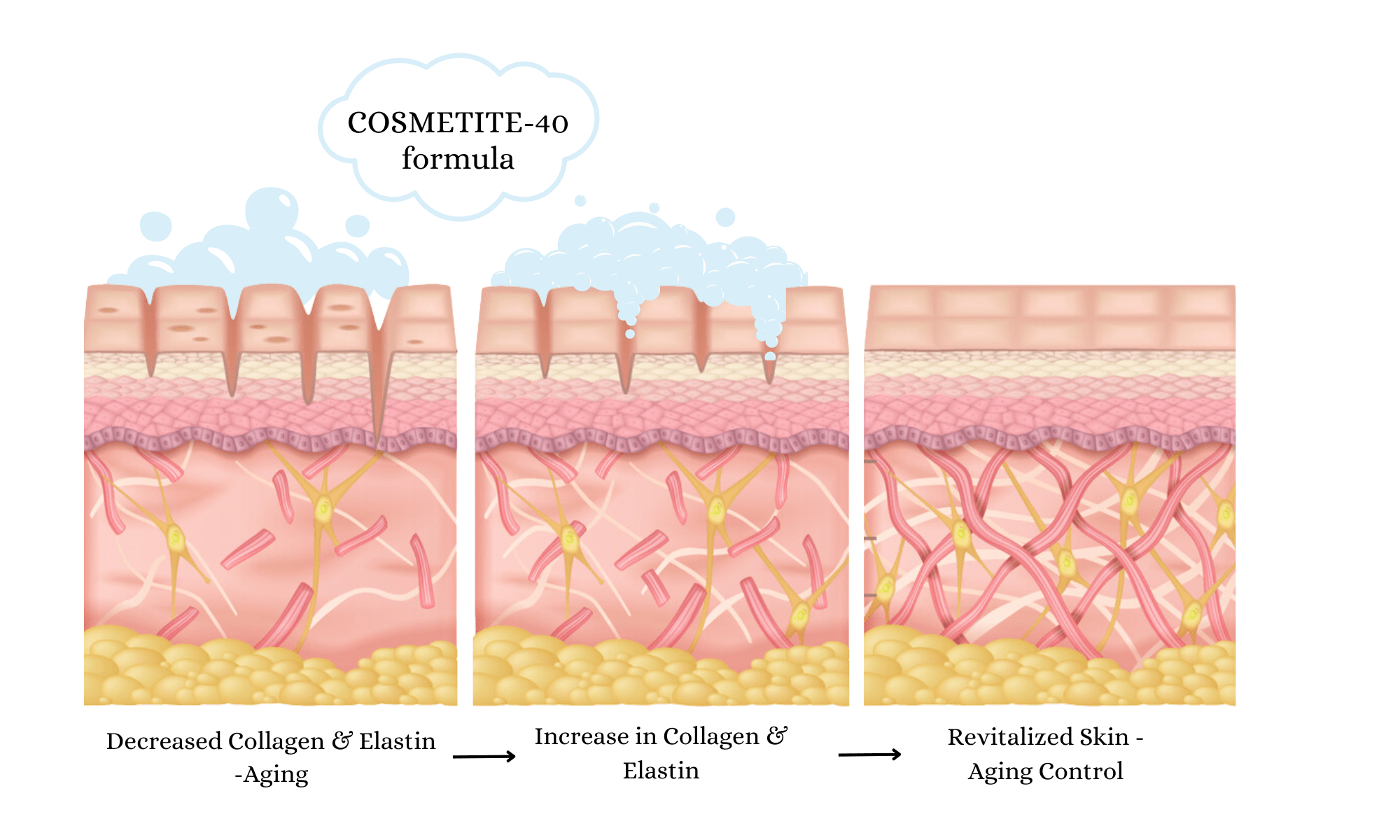
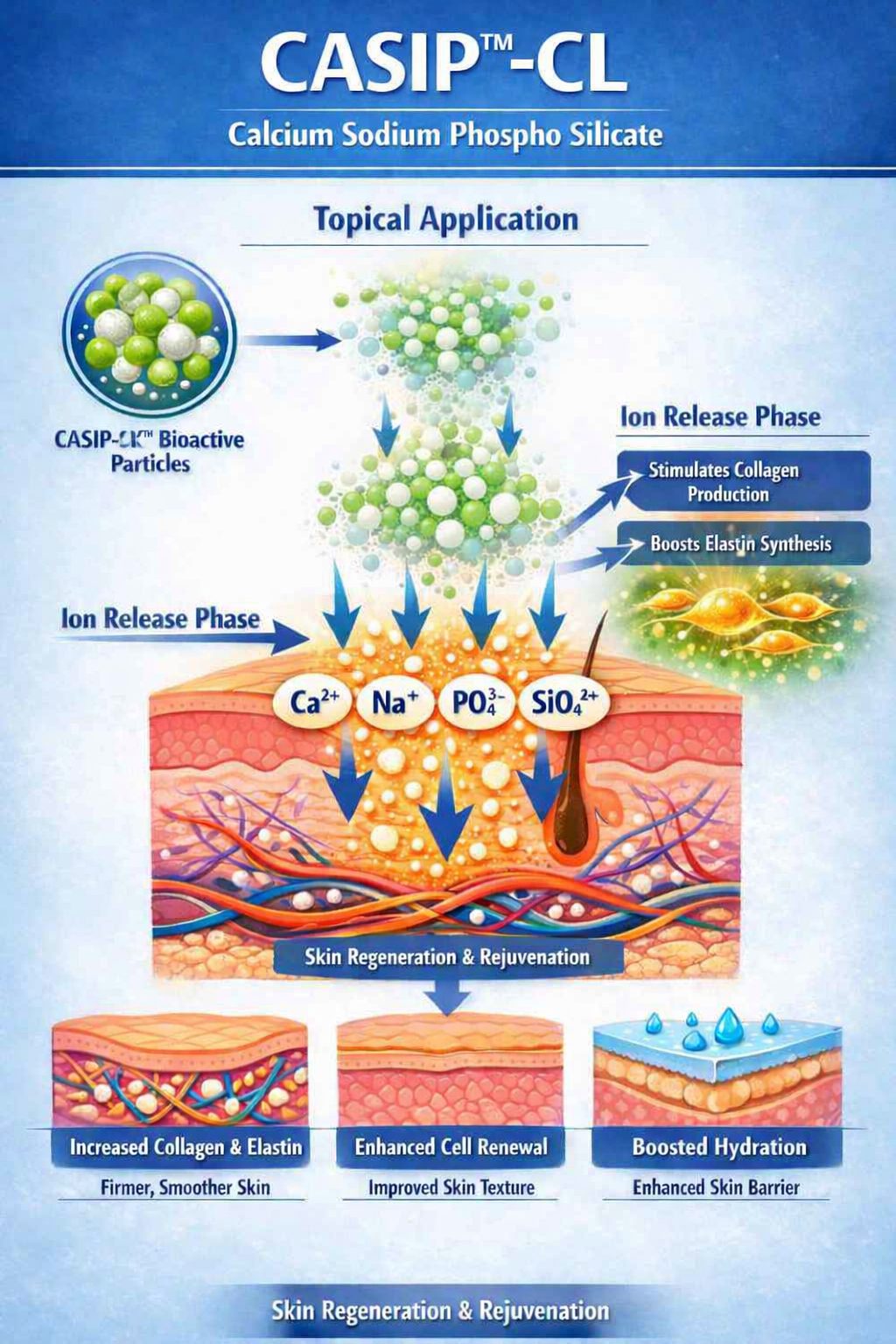
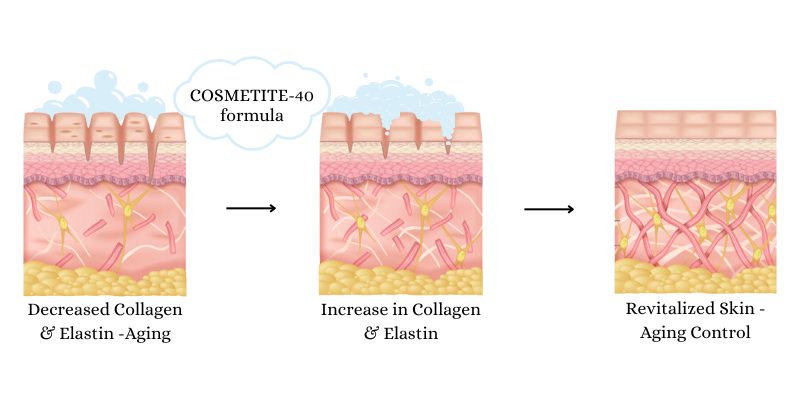
Accelerated collagen production would be done by COSMETITE-40 by stimulating cells called fibroblasts, which is responsible for structure, elasticity & firmness of the skin.

COSMETITE-40 is incorporated into various skincare products, including creams, lotions, and serums. It offers benefits such as enhanced skin hydration, increased collagen production, and improved skin elasticity.

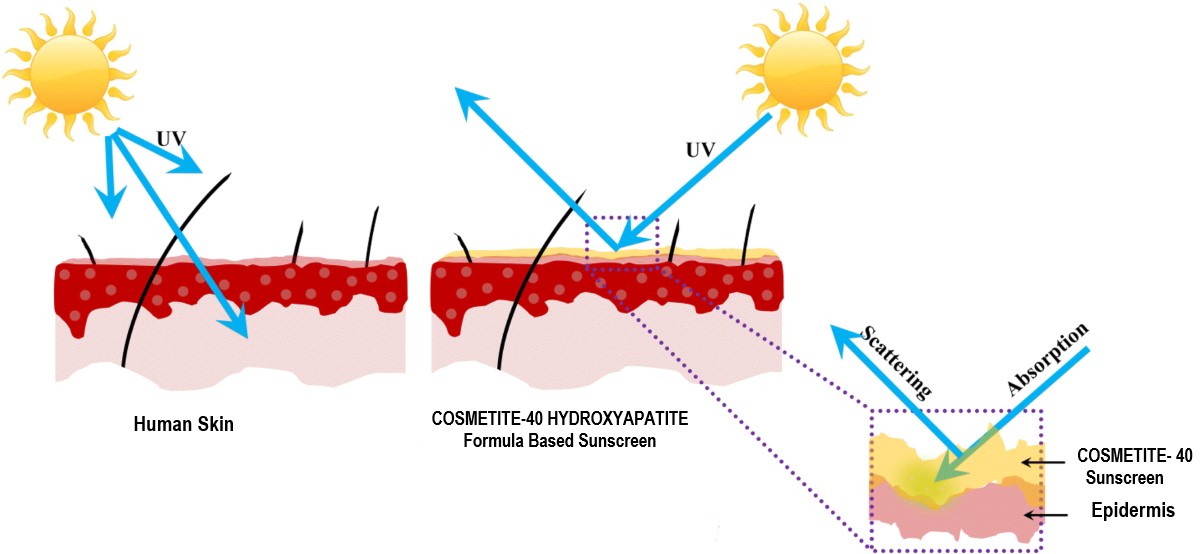
COSMETITE-40 powder is also used in sunscreens as a physical UV filter. It helps to protect the skin from harmful UV radiation by reflecting and scattering the sun rays.

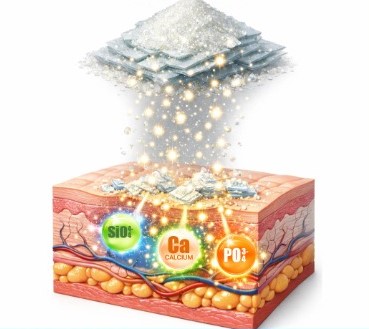
Role of Cosmetite in Skin Cleansing & Anti-Aging

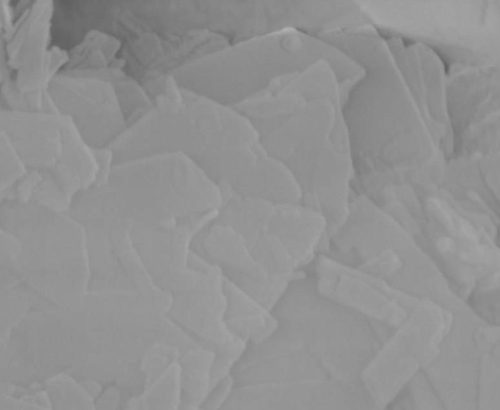
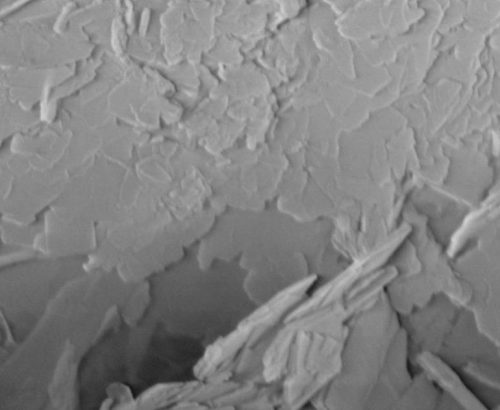
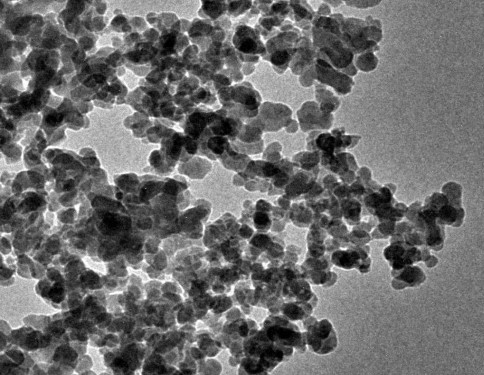
SEM Image

Our Product Range

Related Products

Hydroxyapatite Powder
AIMTITE

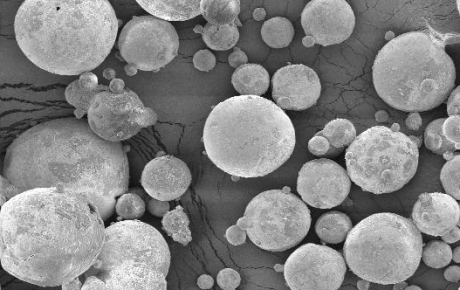
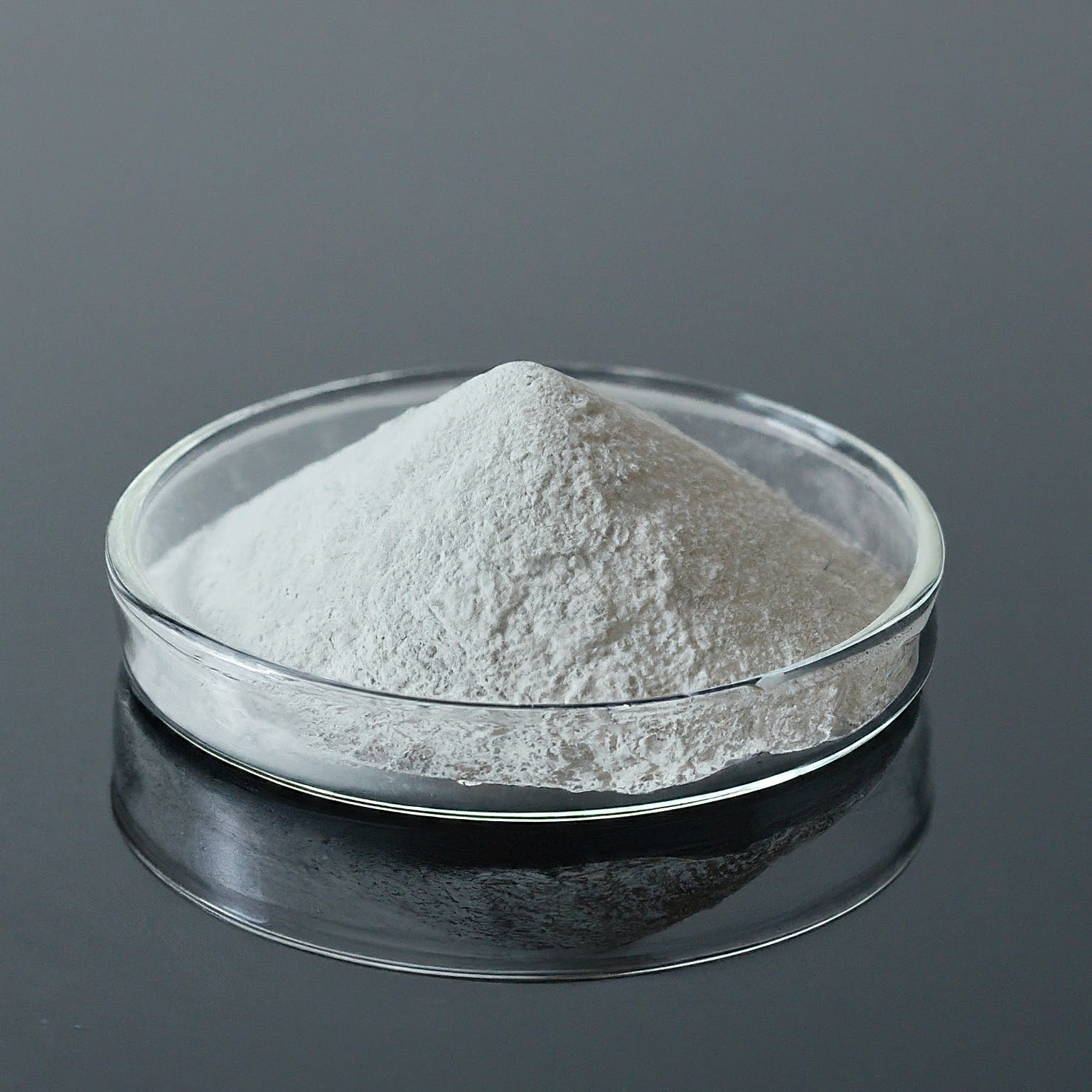
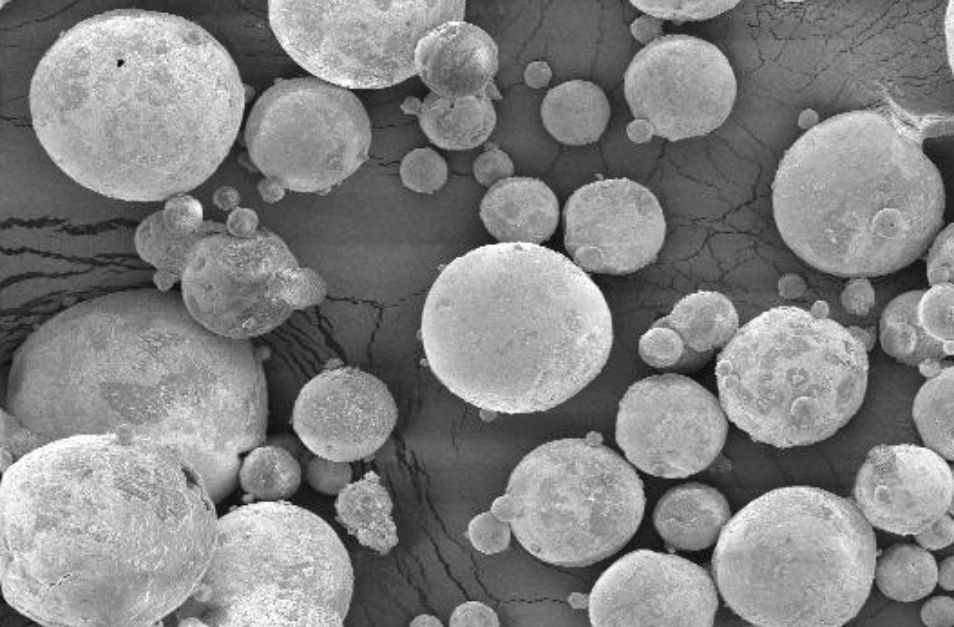
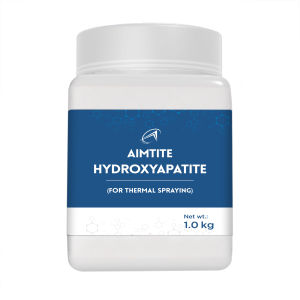
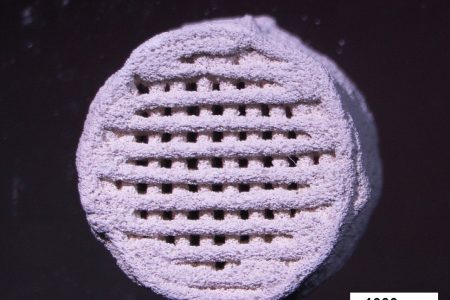
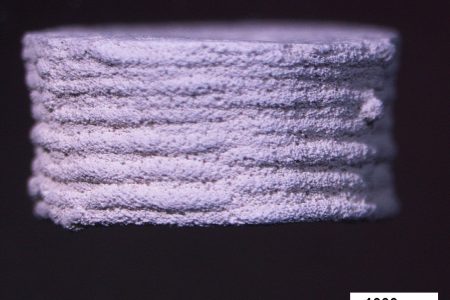
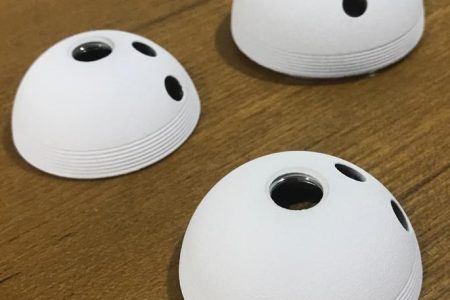
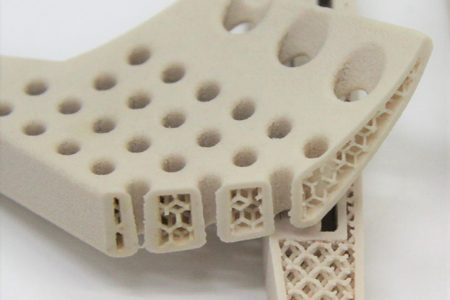
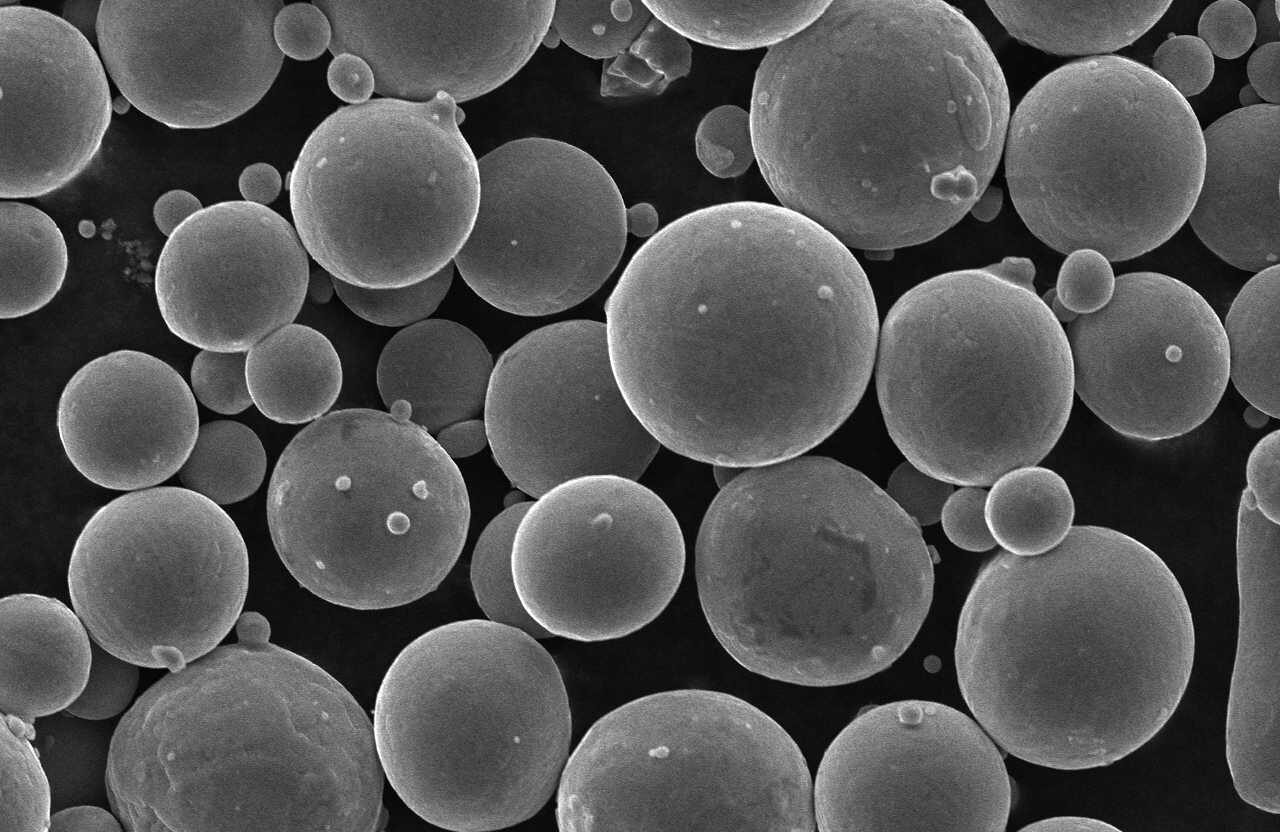
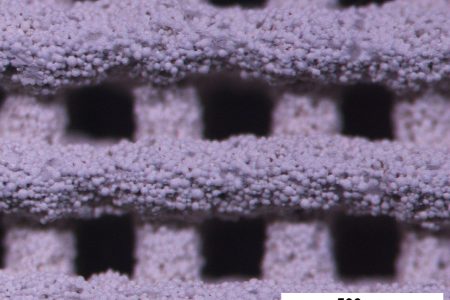
AIMTITE Hydroxyapatite powder is a synthetic micro Hydroxyapatite bio ceramic powder is of spherical shape, with a chemical composition similar to the bone. AIMTITE is most suited for application in Thermal spraying of biomedical metallic implants to form a bioactive coat, 3D printing, bio inks, Plasma Spraying, bone coating, bone repair & filling & synthetic bone substitute. 

AIMTITE is biocompatible & has no adverse side effects on the cells using methods as per ISO standards 10993-5-2009 & 10993-12-2012.  The usual average particle size used  is between 100-150 microns, but can be tailor made as per customer requirements.  For 3D printing applications special particle sizes are available. 


For 3D Printing:

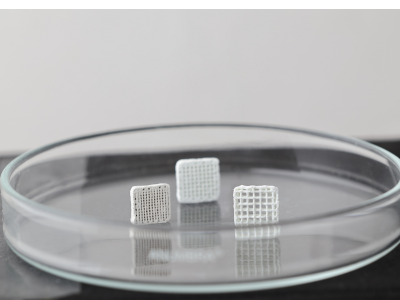
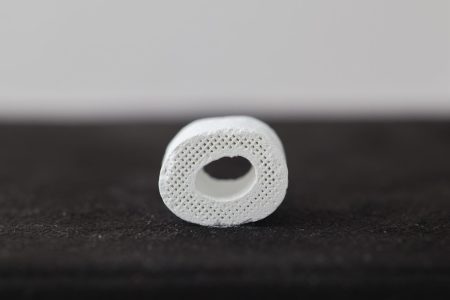
The 3D printing of neat hydroxyapatite scaffolds is as a matter of fact difficult to obtain. To obtain target-specific scaffolds hydroxyapatite is either processed with sacrificial materials like polymers or other materials like ceramics or bioactive glass. Moreover, binders like polyacrylamide, PVA, sodium polyacrylate, maltodextrin, etc. thus are used. The 3D constructed components have controlled architecture and porosity. The hydroxyapatite “ink” can be cell-free or have cell-encapsulated materials. Various techniques & moreover, for example, β – Tricalcium phosphate, Calcium sulfate, silk-fibroin, graphene, CNTs etc. have been used to fabricate hydroxyapatite scaffolds.

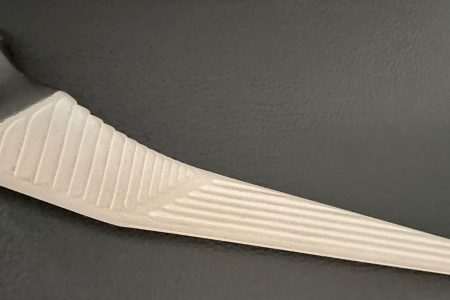
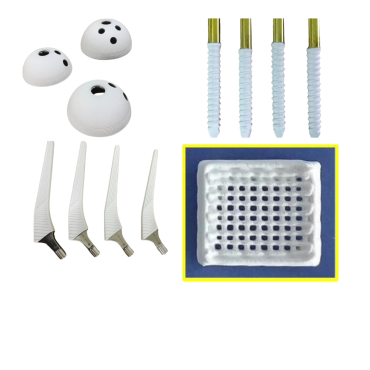
Thermal Spraying Hydroxyapatite, [Ca10(PO4)6(OH)2], is used in biomedical applications including orthopedic device, dental replacements, tissue engineering & bioactive coating. Hydroxyapatite is used regularly for coating either metallic implants of SS316L or Titanium or Ti6Al4V due its excellent biocompatibility & bioactivity.

Hydroxyapatite stimulates strong a bond between metal & bone. Moreover, Hydroxyapatite coating shields the release of metallic ions of the implant into the body. Thermal spraying is an FDA-approved method for coating biomedical implants. 

For Thermal Spraying:

Thermal Spraying Uses:


low flame temperature & high flow velocity of hydroxyapatite particles. For example, typical spray parameters for coating hydroxyapatite on implants are as follows & usually will vary according to the type of equipment & the hydroxyapatite used:

  • Acetylene flow rate: 70 – 75 Lit/minute
  • Oxygen flow rate: 40 – 45 Lit/minute
  • Air pressure: 4 – 5 kg/cm2
  • Powder feed rate: 15 gm/minute
  • Spray distance: About 10 cm

Thermal spraying-based techniques produce thick coatings of several tens of micrometers, even though the use of a feedstock as a solution or suspension can result in thinner coatings (5 to 10 μm) when compared with thermal spraying when using dry powders.

Knee implants – Hydroxyapatite coatings have also been used in un – cemented knee prostheses, with coatings applied by plasma spraying to the femoral &/or tibial components. These have more than 20 years of clinical use. For un-cemented hips, the use of un-cemented knee prostheses is generally, for most part, recommended for younger patients (< 60 years).

Plasma-Spray Method is above all used for coating o dental & orthopedic implants. A coating on Titanium or Ti6Al4V can be achieved using this method for the most part. Thinner films of hydroxyapatite ordinarily can be deposited on metal substrates using Suspension Plasma Spray (SPS).
Usually adding Titanium to Hydroxyapatite improves the bonding strength of the coating from about 14.5 to 17.3 MPa. Not to mention that an increase in the adhesion of the coating layer to the implant can be observed if Titanium content increases.

Hydroxyapatite reinforced with 10%w/w of a mix of 80Al2O3 +20TiO2 on Ti6Al4V, moreover, enhances adhesion strength in this case to above 32 MPa.

Sol-Gel Dip Coating Method for applying hydroxyapatite layers involves the formation of Sol-Gel using Calcium Nitrate & Phosphorus pentoxide or triethyl phosphate using aqueous or alcoholic solvents for the most part. Moreover, this is followed by dipping the substrate into the sol-gel over time. It is simply subsequently withdrawn & then dried.

This process is thus simple, fast, cheap & in particular, allows uniform deposition of hydroxyapatite onto complex surfaces at low temperatures.

Electrochemical The electrochemical Deposition Method in particular allows progressive nucleation & growth of hydroxyapatite coat. This leads to a demonstrably homogenous deposition, controlled thickness & reduced decomposition of the hydroxyapatite layer. Besides, Cathodic deposition systems used are either Electrophoretic or Electrolytic.

Likewise, Graphite or Platinum are used as anodes. Hydroxyapatite can additionally be combined with CNTs, ZrO2, TiO2, etc. to achieve better properties. The following table is guidance, comparing electrodeposition methods drawn from various references.

High-Velocity Suspension Plasma Spraying (HVSPS) Method for coating metal substrates, by all means, enhances bioactivity, prevents wearing & corrosion of implants as well as controls the release of harmful metal ions in the body. This method is especially widely used.
The High-Velocity Oxygen-Fuel (HVOF) allows for the formation of a suspension spraying layer. In the same manner, the high velocity of powders allows the formation of a uniform protective coat with low porosity.
Fine or Nano Powders of Hydroxyapatite can be thermally sprayed directly using plasma or gas jets. Aqueous medium &/or Diethylene Glycol suspensions of hydroxyapatite can also be used. Additionally, the coating produced does not delaminate from the substrate significantly.

Application of AimtiteAverage Particle Sizes (μm)
3D Printing15 100 200
Thermal Spraying15 50 100 – 150
Bone Coating50
Bone Repair200 3mm
Bone Filling3mm
Application of AimtiteAverage Particle Sizes (μm)
3D Printing15 100 200
Thermal Spraying15 50 100 – 150
Bone Coating50
Bone Repair200 3mm
Bone Filling3mm

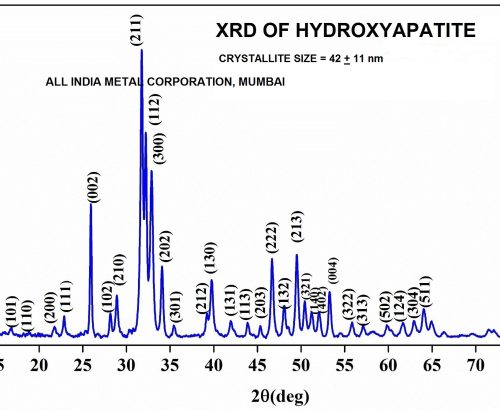
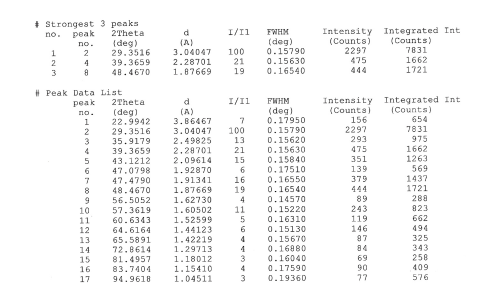
XRD of Hydroxyapatite for Thermal Spraying

XRD of Hydroxyapatite for Thermal Spraying
XRD of Hydroxyapatite for Thermal Spraying table

Our Product Range

Nano Hydroxyapatite Powder
TOOTITE

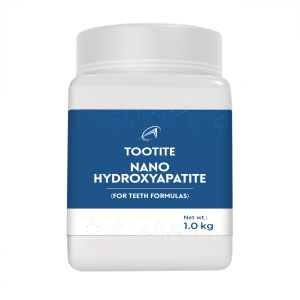
TOOTITE Nano Hydroxyapatite Powder a premium, synthetic hydroxyapatite designed specifically for oral care applications. Free from animal origin, TOOTITE powder features an acicular shape and average crystallite size of 20-40 nm, closely resembling the structure and morphology of human tooth enamel. TOOTITE is biocompatible and bioactive tested under ISO 10993-5-2009 and 10993-12-2012 to ensure safety with no adverse cellular effects. TOOTITE is a TSC/BSC free, vegan, and
osteoconductive powder.

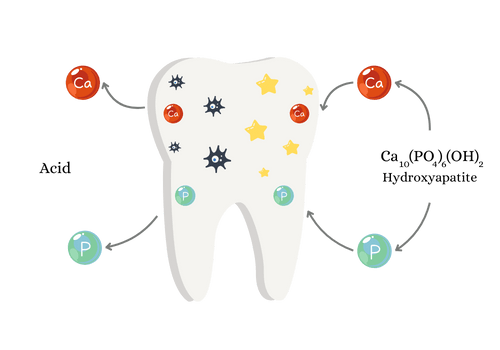
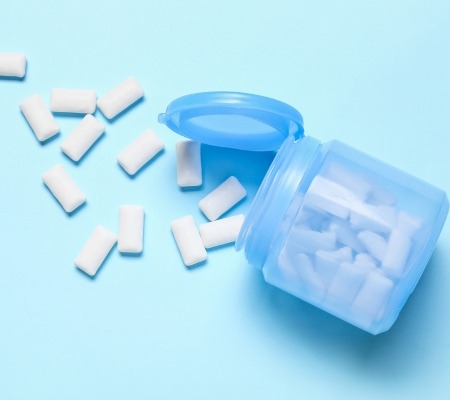
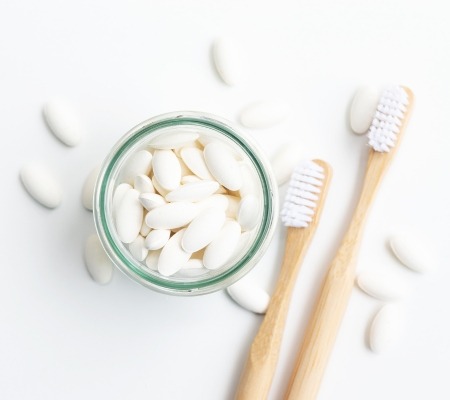
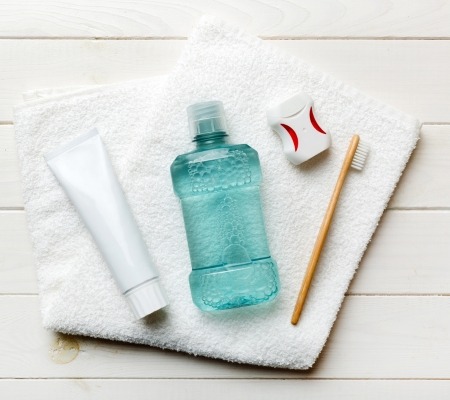
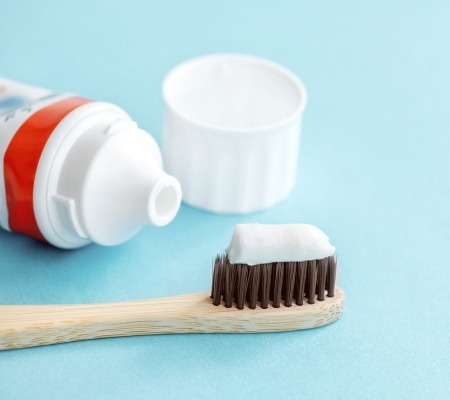
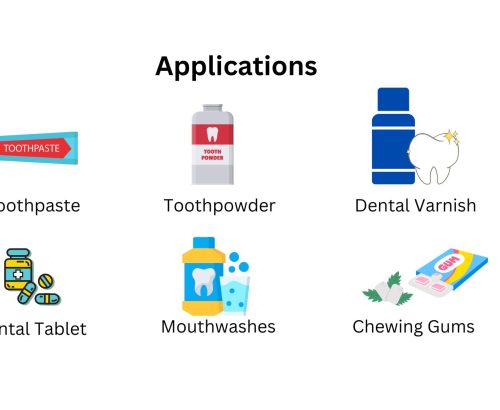
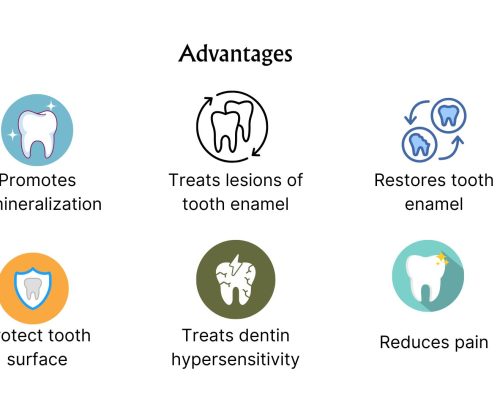
Ideal for Fluoride-Free Oral Care Solutions: TOOTITE nano-hydroxyapatite is an excellent ingredient for formulating toothpastes, toothpaste tablets, mouthwashes, tooth powders, dental varnishes, and chewing gums. It offers a fluoride-free approach to superior dental care by supporting enamel remineralization, treating dentin hypersensitivity, and providing lasting protection against dental erosion.

TOOTITE (Nano Hydroxyapatite) resembles human teeth in composition. It offers an excellent alternative to fluoride-based dental products.
Toothpastes and Toothpaste Tablets: 5 to 15% w/w

Mouthwashes : 15.5 % suspension in water.
The suspensions can be sterilized by autoclaving at 120 o C for 15 minutes without affecting the properties of Nano Hydroxyapatite.

Products Information:

Ordering Information

Average Particle Size

Particle Morphology

TOOTITE-40

20-40 nm

Acicular

TOOTITE-100

100 nm

Acicular

TOOTITE-2

2 µm

Spherical

TOOTITE- M100

50-100 µm

Spherical

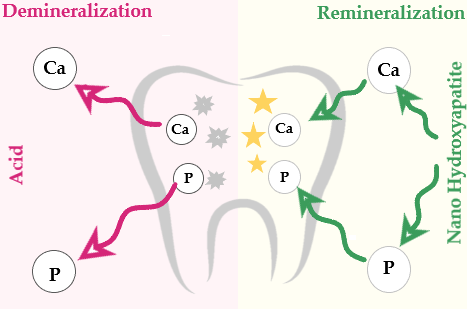
Mechanism of Action: Nano-hydroxyapatite particles (20-40 nm) readily infiltrate and fill exposed dentine tubules, which is approximately 80-100 nm. By blocking external stimuli from reaching the pulp, TOOTITE provides relief from sharp pain and sensitivity. Its unique properties facilitate the supply of calcium and phosphorus ions, which actively contribute to forming a new apatite layer, reinforcing tooth enamel, and preventing decay.

TOOTITE Hydroxyapatite helps manage dentine hypersensitivity by occluding exposed dentinal tubules. This action reduces fluid movement within the tubules, which in turn minimizes nerve stimulation and pain. The nano-sized TOOTITE particles are particularly effective because they can penetrate and bind to the collagen and TOOTITE in dentine, forming a protective barrier.

TOOTITE-M100, with its micro spherical particles, provides a smoother mouthfeel and gentle abrasion compared to traditional abrasives like calcium carbonate.

TOOTITE Hydroxyapatite enhances teeth brightness and whiteness by creating a synthetic enamel layer that reflects more light, resulting in a whiter appearance. This physiological whitening effect is long-lasting and less abrasive, as TOOTITE remineralizes the enamel, making it smoother and glossier.
Our Product Range

Nano Hydroxyapatite Powder
SOILTITE

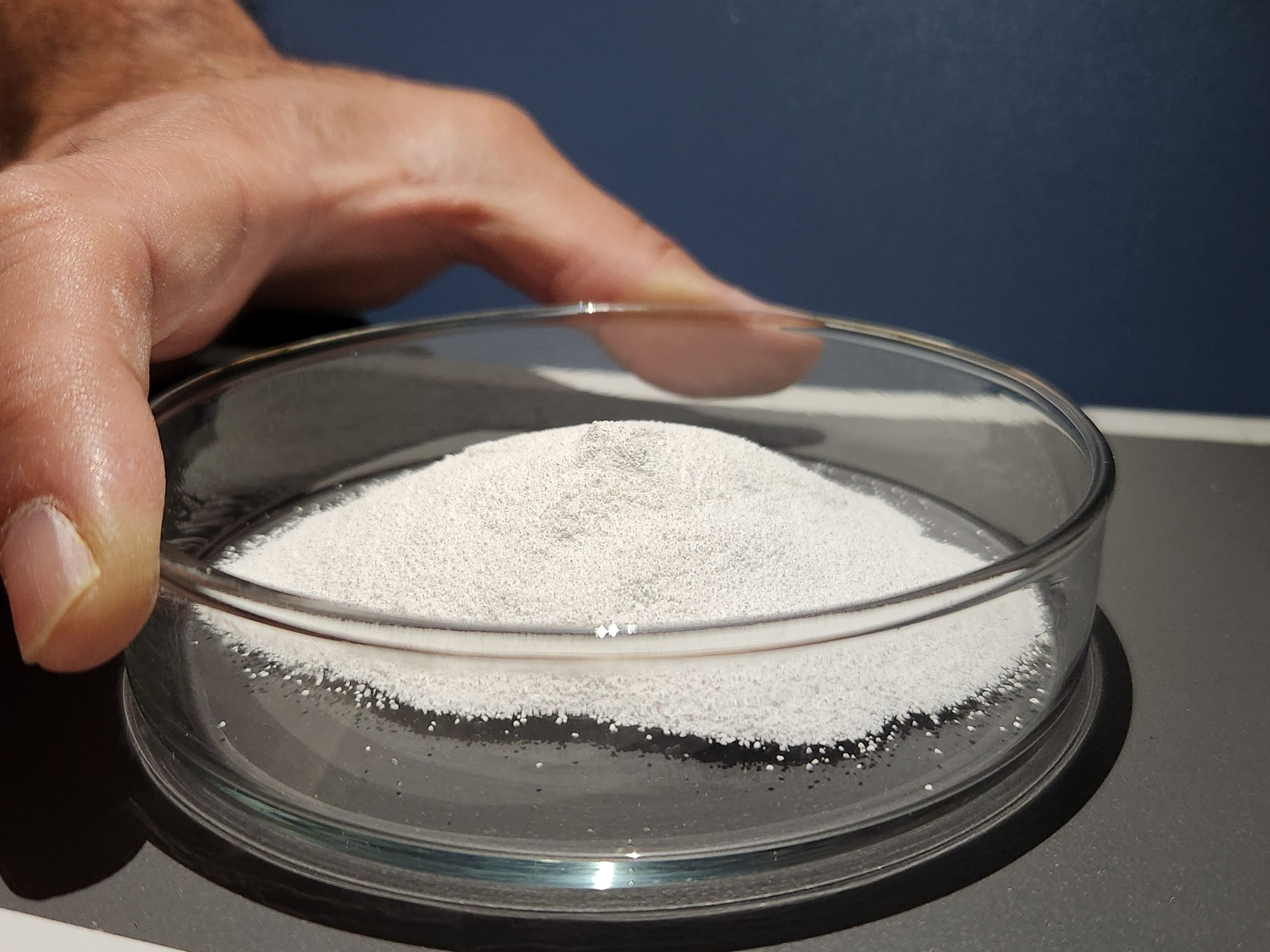
SOILTITE Nano and Micro hydroxyapatite powder is available in spherical and acicular shapes.  SOILTITE average particle sizes is 80 μm, 2 μm, 200 nm, 40 nm, and 60 nm. SOILTITE Nano and Micro Hydroxyapatite is used in soil remediation for different solutions.

The presence of heavy metals in soils is a serious environmental issue, as these metals can enter the food chain and affect living beings. SOILTITE (Nano &amp; Micro) Hydroxyapatite is highly effective in immobilizing heavy metals like lead, zinc, copper, cadmium, and arsenic in contaminated soils. Adding 0.5% to 1% of Hydroxyapatite to
the soil has been shown to improve the growth of maize and bean plants, though higher percentages should be used carefully.
When SOILTITE is added to the soil, it reduces the accumulation of cadmium in plants like rape and cabbage. It also increases the phosphatase activity in the soil. For remediation purposes, typical use levels are around 15 g/kg.
SOILTITE (Nano &amp; Micro) Hydroxyapatite is a versatile material with great potential for managing environmental issues. It can adsorb pollutants, adjust its acidity or basicity, and exchange ions, making it excellent for controlling soil pollution. Additionally, it can be sourced from natural and waste materials, which supports sustainable development.
This material can attract and hold pollutants on its surface, making it useful for cleaning up water and soil. Depending on its composition, hydroxyapatite can act as either an acid or a base, which is helpful for various chemical reactions and environmental clean-up processes. It can also swap its calcium ions with harmful metal ions in polluted soil,
effectively removing these pollutants. Another advantage is that it remains stable at high temperatures, which is beneficial for processes involving heat.
Using SOILTITE Nano Hydroxyapatite as adsorbents, such as supporting active phases in catalysis, promotes a zero-waste approach. Employing hydroxyapatite in pollution control not only helps remove contaminants but also contributes to resource recovery, making it a sustainable and environmentally friendly option.

Particle MorphologyAverage Particle SizePhase Purity
Spherical80 μm99%
Spherical2 μm96%
Spherical / Acicular-like200 nm96%
Acicular40 nm or 60 nm96%

Our Product Range

Nano Hydroxyapatite Powder
BONITE

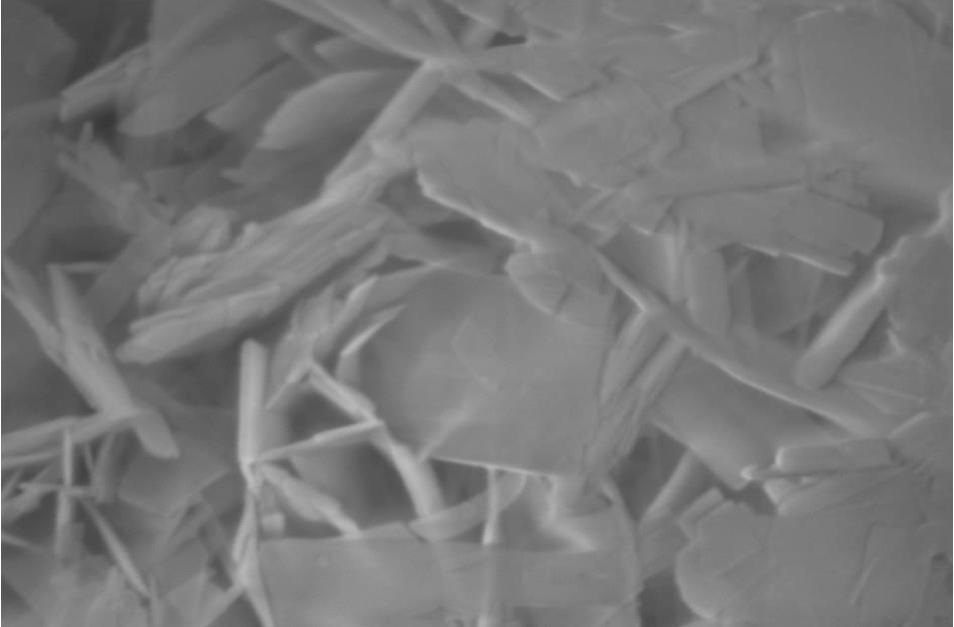
Bonite Hydroxyapatite Powder of either acicular (needle-shaped) or short – rod-like in morphology. These powder are best suited for artificial bone (bone grafts), bone scaffolds (for bone defect reconstruction). The average particle sizes are 20 nm.

Particle MorphologyAverage particle SizePhase Purity
Acicular20nm97.5% or 99%
Short rod-like20nm99%

Our Product Range

Industrial Grades for Ceramic Coating

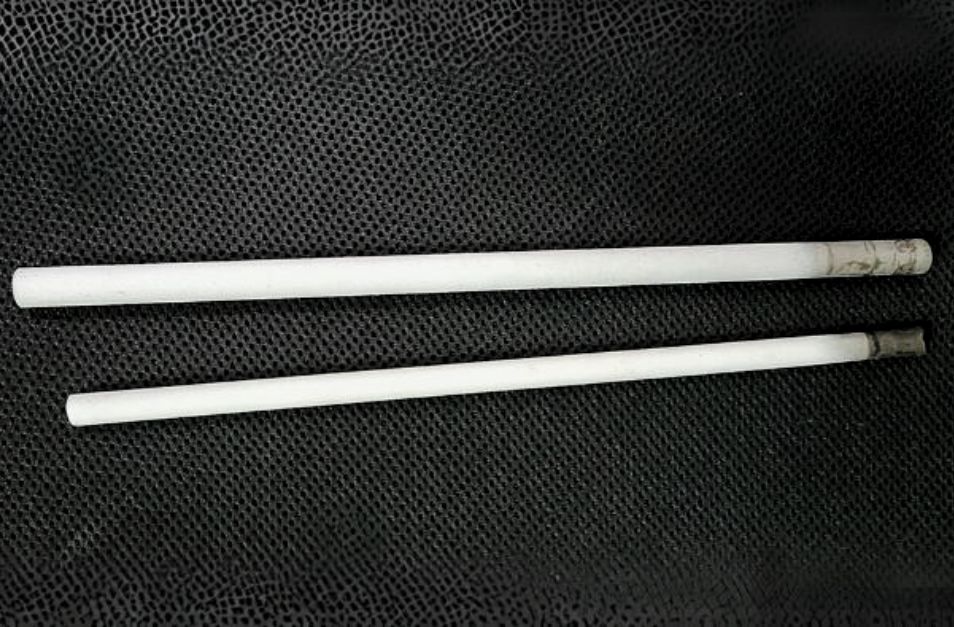
Ceramic coated pipes are a revolutionary addition to the world of plumbing and fluid transport. Here’s some information about them:

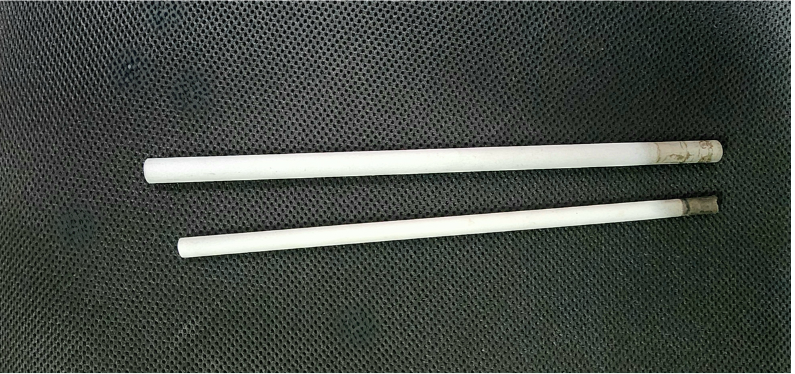
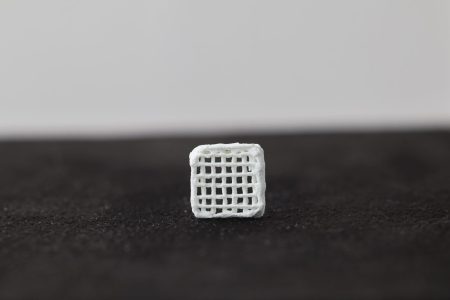
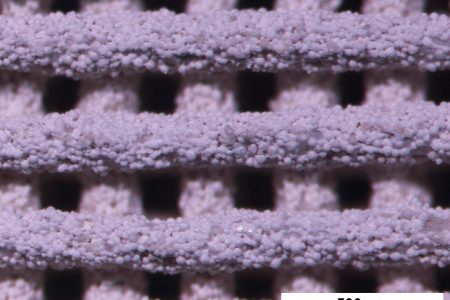
What are Ceramic Coated Pipes? Ceramic coated pipes are metal pipes that have been treated with a ceramic layer. This ceramic layer is created through a process called thermal spraying, where a ceramic material is heated until it becomes molten, then sprayed onto the pipe’s surface where it solidifies and bonds with the metal.
Benefits of Ceramic Coated Pipes

  1. Corrosion Resistance: The ceramic coating provides excellent protection against corrosion, extending the life of the pipe.
  2. Heat Resistance: Ceramic materials are known for their ability to withstand high temperatures, making these pipes ideal for applications involving hot fluids or gases.
  3. Abrasion Resistance: The hard ceramic surface reduces wear and tear from abrasive materials, making these pipes suitable for transporting solids like sand or coal.
  4. Improved Flow: The smooth ceramic surface can improve fluid flow by reducing friction.

Applications of Ceramic Coated Pipes Ceramic coated pipes are used in a variety of industries, including oil and gas, mining, power generation, and chemical processing. They are particularly useful in situations where pipes are exposed to corrosive substances, high temperatures, or abrasive materials.

In conclusion, ceramic coated pipes offer a durable and efficient solution for many industrial applications. Their superior performance characteristics can lead to cost savings over time due to reduced maintenance and replacement costs. Whether it’s for a small-scale plumbing project or a large industrial operation, ceramic coated pipes are a smart choice for reliable and long-lasting fluid transport.

Advantages:

Protects the pipe externally from extreme corrosive conditions, including seawater.
Provides insulation by not allowing heat/cold to get transferred to the atmosphere etc.
The coating can resist very high temperatures & does not peel off.

Thin coat does not increase weight of the pipes.

Our Product Range